Robotic Prostatectomy
Da Vinci robot-assisted radical prostatectomy for prostate cancer at Johannesburg Surgical Hospital — more than 250 performed, with honest advice on continence and erections.
What the operation involves
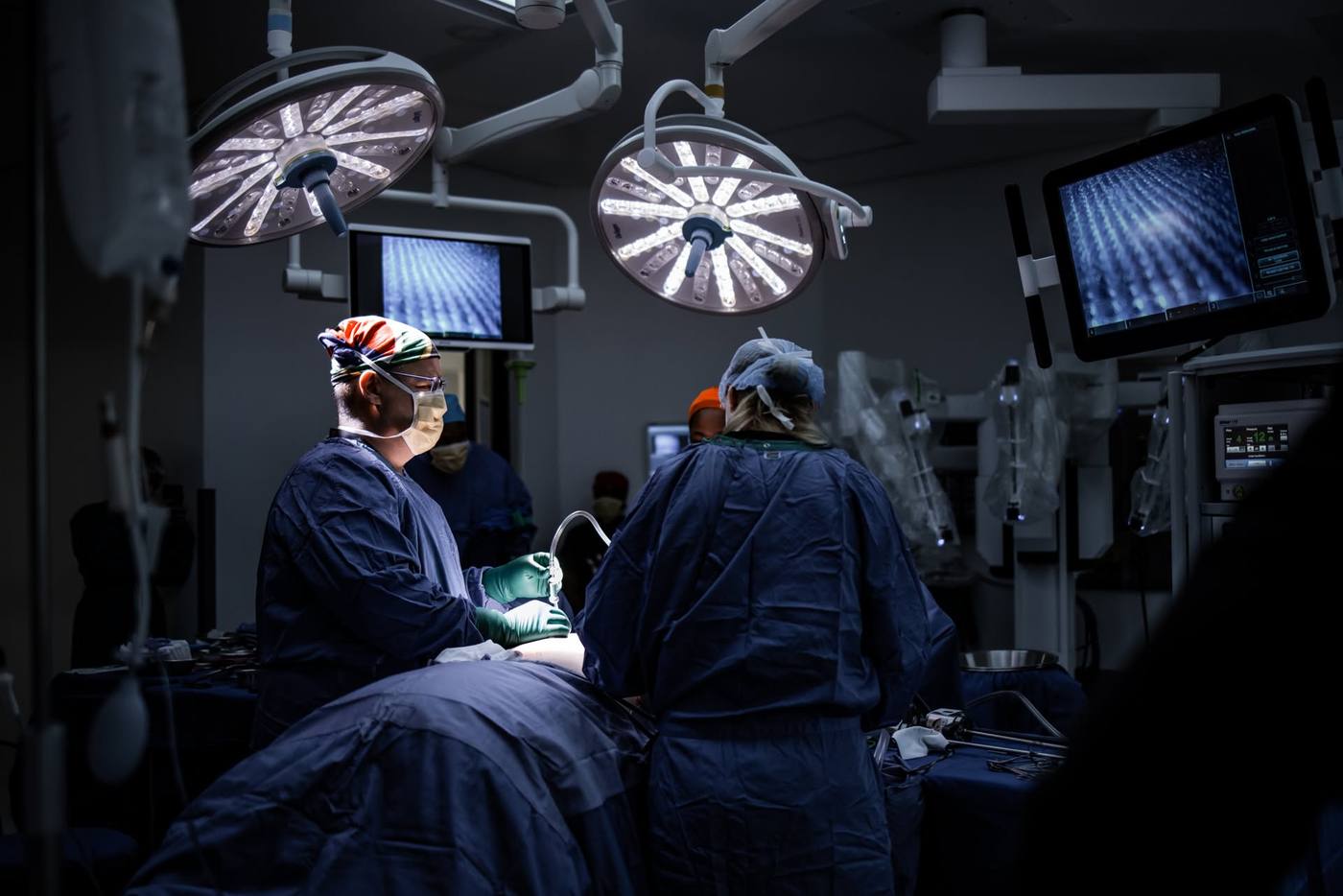
I perform da Vinci robotic prostatectomy for prostate cancer that has not spread beyond the prostate, at Johannesburg Surgical Hospital in Northcliff, usually with one night in hospital.
A radical prostatectomy removes the whole prostate, together with the seminal vesicles, to treat prostate cancer that is confined to the prostate. With the da Vinci robotic system it is done through a few small incisions: I operate from a console that translates my hand movements into precise movements of miniaturised instruments, with a magnified 3D view. The robot never operates on its own.
I have performed more than 250 robotic prostatectomies, and I run a proctorship programme training other surgeons in the technique. All my robotic surgery is done at Johannesburg Surgical Hospital.
Is surgery right for you?
Not every prostate cancer needs treatment, and surgery is one of several good options. Low-risk cancers are often best managed with active surveillance; others may be treated with radiation or brachytherapy. The decision depends on the grade and stage of the cancer, your age and health, and what matters most to you. Staging may include a PSMA PET scan where there is a risk of spread.
Lymph nodes
Whether the lymph nodes are removed at the same operation depends on the grade and extent of the cancer. I use the internationally validated Memorial Sloan Kettering pre-prostatectomy nomogram (a risk calculator based on the outcomes of thousands of previous patients) to estimate the risk of lymph node spread and decide whether a lymph node dissection is worthwhile.
Hospital stay and recovery
- Usually one night in hospital
- You go home with a urinary catheter, which comes out at about day 7
- Most men return to light activities within a couple of weeks; avoid heavy lifting for several weeks
- Your PSA is checked after surgery to confirm that it has become undetectable, and then regularly during follow-up
Continence and erections — honestly
Urinary control
Some leakage after the catheter comes out is normal, and control improves over the following weeks to months. Pelvic floor exercises make a real difference: I work with pelvic floor physiotherapist Mrs Dina-Marie Griffiths, ideally starting before surgery. If significant leakage persists long term, a male sling or an artificial urinary sphincter can help — see Urinary incontinence.
Erections
Where the cancer allows, the nerves responsible for erections are preserved. Even then, erections take many months to recover. My penile rehabilitation programme uses tablets and, where needed, injections to support recovery. We will discuss realistic expectations for your situation before you decide.
Facing a decision about prostate cancer treatment? Call 011 794 3549 or email appointment@urology.joburg — second opinions are welcome. See also: all prostate cancer options · Raised PSA · Robotic surgery.
This information is general in nature and is not a substitute for a consultation.